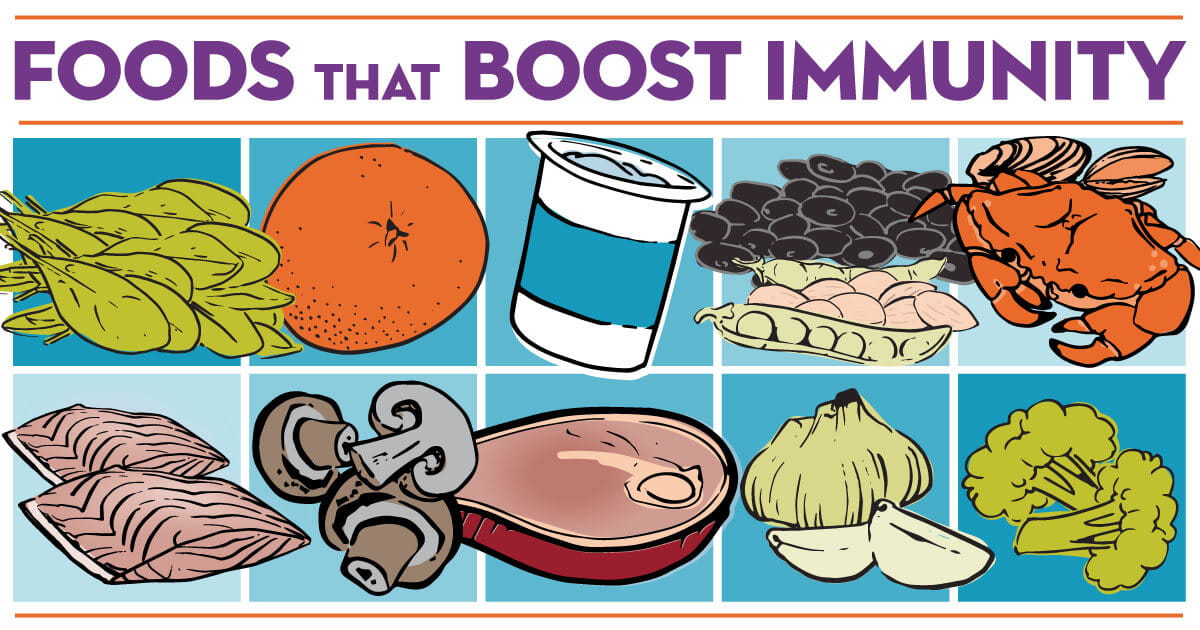
Functional foods are natural or fortified foods that provide health benefits beyond basic nutrition. They help strengthen immunity, improve digestion, and support overall wellness when consumed regularly in balanced diets.
These foods contain bioactive compounds such as vitamins, minerals, antioxidants, and probiotics. These components actively work within the body to reduce inflammation, enhance immunity, and promote long term health stability.
Modern lifestyles often lack proper nutrition, making functional foods increasingly important. They fill nutritional gaps, support bodily functions, and help individuals maintain energy levels while protecting against chronic diseases over time.
By integrating functional foods into daily meals, people can shift from reactive healthcare to preventive wellness. This approach focuses on strengthening the body naturally rather than relying only on treatments after illness occurs.
Key Nutrients That Boost Immunity
Vitamins such as C, D, and E play essential roles in supporting immune defense. They protect cells, improve resistance against infections, and enhance the body’s ability to respond quickly to harmful pathogens.
Minerals like zinc and selenium are equally important for immune strength. They help regulate immune responses, reduce inflammation, and support the development of immune cells that fight infections effectively.
Antioxidants found in fruits and vegetables protect the body from oxidative stress. This stress can weaken immunity, making antioxidants essential for maintaining strong defenses and preventing long term cellular damage.
Protein is another crucial component for immunity. It supports tissue repair and helps produce antibodies that defend against viruses and bacteria, ensuring the immune system functions efficiently under various conditions.
Gut Health and Its Impact on Longevity
The gut plays a central role in immunity and overall health. A balanced gut microbiome supports digestion, improves nutrient absorption, and helps regulate immune responses effectively throughout the body.
Probiotic rich foods like yogurt and fermented products introduce beneficial bacteria into the gut. These bacteria enhance digestion, strengthen immunity, and reduce the risk of infections and inflammatory conditions.
Prebiotic foods such as fiber rich vegetables feed beneficial gut bacteria. This nourishment helps maintain microbial balance, which is essential for both immune function and long term health sustainability.
A healthy gut contributes to longevity by reducing chronic inflammation and supporting metabolic processes. When gut health is optimized, the body becomes more resilient against diseases and age related health challenges.
Popular Functional Foods to Include Daily
Fruits like berries are rich in antioxidants and vitamins that support immunity. They help fight oxidative stress and improve overall health when included regularly in meals or snacks.
Leafy greens such as spinach and kale provide essential nutrients, including iron and vitamins. These foods strengthen the immune system and promote better energy levels throughout the day.
Nuts and seeds are excellent sources of healthy fats and minerals. They support heart health, improve brain function, and contribute to long term wellness when consumed in moderate amounts.
Whole grains offer fiber and essential nutrients that support digestion and gut health. Including them in daily meals helps maintain stable energy levels and supports overall immune function effectively.
Functional Foods and Disease Prevention
Functional foods play a vital role in reducing the risk of chronic diseases. They help regulate blood sugar levels, support heart health, and reduce inflammation that often leads to serious health conditions.
Regular consumption of nutrient rich foods can lower the risk of cardiovascular diseases. Healthy fats, fiber, and antioxidants work together to maintain proper cholesterol levels and improve heart function.
Certain functional foods also support brain health and cognitive function. Nutrients like omega three fatty acids help protect brain cells and reduce the risk of age related cognitive decline.
By focusing on preventive nutrition, individuals can reduce dependency on medications. Functional foods provide natural support for the body, helping maintain balance and preventing disease development over time.
The Role of Hydration in Functional Nutrition
Hydration is a key component of functional nutrition. Water supports digestion, helps transport nutrients, and plays a vital role in maintaining overall bodily functions and immune health.
Herbal teas and infused water can provide additional health benefits. They contain antioxidants and compounds that support detoxification and help maintain internal balance within the body.
Proper hydration improves skin health and supports cellular repair. It also helps regulate body temperature and ensures that metabolic processes function efficiently throughout the day.
Combining hydration with functional foods enhances their effectiveness. When the body is well hydrated, nutrients are absorbed more efficiently, maximizing the benefits of a healthy and balanced diet.
Lifestyle Habits That Enhance Functional Foods
Healthy lifestyle habits amplify the benefits of functional foods. Regular physical activity improves circulation, supports immunity, and helps the body utilize nutrients more effectively for overall health.
Adequate sleep is essential for immune function and longevity. During sleep, the body repairs itself and strengthens defense systems, making rest a crucial part of a healthy lifestyle.
Stress management also plays a significant role in overall wellness. Chronic stress weakens immunity, while relaxation techniques help maintain balance and improve the effectiveness of functional nutrition.
Consistency is key when adopting functional foods and healthy habits. Long term commitment ensures sustained benefits, helping individuals achieve improved immunity and a longer, healthier life.
Building a Functional Food Diet Plan
Creating a functional food diet involves choosing nutrient dense ingredients. A balanced plate should include fruits, vegetables, whole grains, proteins, and healthy fats for optimal health benefits.
Meal planning helps ensure consistent intake of essential nutrients. Preparing meals in advance reduces reliance on processed foods and encourages healthier eating habits over time.
Variety is important in a functional diet. Different foods provide different nutrients, so incorporating diverse options ensures the body receives comprehensive nutritional support for immunity and longevity.
Adopting a functional food approach is a sustainable way to improve health. With mindful choices and consistency, individuals can build a diet that supports long term wellness and protects against diseases naturally.