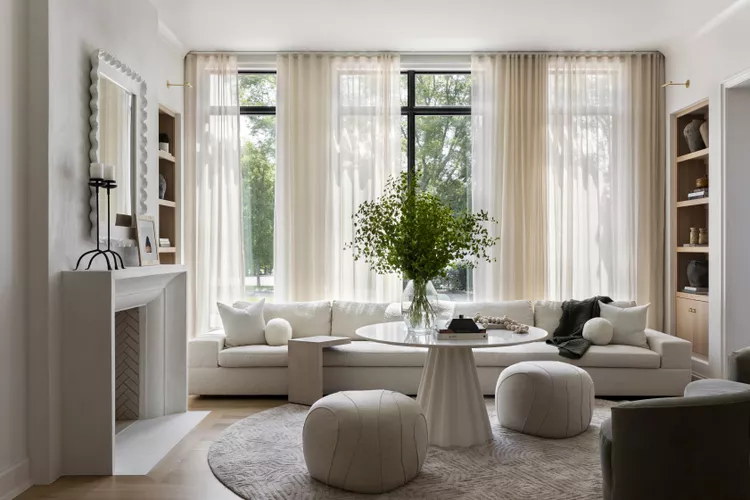
Minimalist living focuses on simplicity, clarity, and intentional design choices that eliminate excess. It encourages homeowners to prioritize essential items, creating spaces that feel open, breathable, and mentally calming in daily life.
This lifestyle is not about deprivation but about purpose. Every object serves a function or brings joy, helping individuals reduce distractions while improving focus, emotional well-being, and overall satisfaction within their home environment.
Modern minimalist homes blend aesthetics with functionality. Clean lines, neutral colors, and open spaces create harmony. These elements work together to reduce visual noise, allowing the mind to relax and feel grounded.
Adopting minimalist living also supports sustainability. By consuming less and choosing quality over quantity, individuals contribute to a more eco-conscious lifestyle while enjoying a more organized and peaceful living space.
The Role of Space and Decluttering
Decluttering is the foundation of minimalist living. Removing unnecessary items helps create physical and mental space, making homes feel larger, lighter, and more inviting for everyday living and relaxation.
A clutter-free home improves productivity and reduces stress levels. When everything has a place, daily routines become smoother, allowing individuals to focus on meaningful activities instead of managing excess belongings.
Minimalist spaces emphasize openness. Furniture is arranged thoughtfully to maximize flow and functionality, ensuring each room serves its purpose without feeling overcrowded or visually overwhelming to occupants.
Regular decluttering habits maintain balance. By continuously evaluating possessions and letting go of unused items, homeowners sustain a clean, organized environment that supports calmness and clarity over time.
Choosing a Calming Color Palette
Color plays a crucial role in minimalist design. Neutral tones such as white, beige, and soft gray create a soothing atmosphere that promotes relaxation and enhances the feeling of spaciousness within interiors.
Subtle color variations add depth without overwhelming the space. Soft pastels or muted earthy tones can complement neutrals, providing warmth and personality while maintaining a calm and cohesive aesthetic.
Natural light enhances minimalist color schemes. Large windows and open layouts allow sunlight to highlight soft tones, making rooms appear brighter, more welcoming, and visually expansive throughout the day.
Consistency in color choices ensures harmony across the home. By maintaining a unified palette, transitions between rooms feel seamless, creating a continuous sense of calm and balance throughout the living environment.
Functional Furniture and Smart Design
Minimalist homes prioritize functional furniture that serves multiple purposes. Pieces like storage beds or foldable tables help maximize space while maintaining a clean and uncluttered appearance in smaller living areas.
Design simplicity is key. Furniture with clean lines and minimal ornamentation blends effortlessly into the space, supporting the overall aesthetic without drawing unnecessary attention or creating visual distractions.
Quality over quantity defines minimalist furniture selection. Investing in durable, timeless pieces reduces the need for frequent replacements, ensuring long-term value and maintaining consistency in design style.
Smart storage solutions keep spaces organized. Hidden compartments, built-in shelves, and modular units allow homeowners to store essentials efficiently while preserving the simplicity and openness of minimalist interiors.
Incorporating Natural Elements
Nature plays an important role in creating calming minimalist spaces. Elements like wood, stone, and plants bring warmth and texture, balancing the simplicity of clean lines and neutral tones.
Indoor plants enhance both aesthetics and well-being. They improve air quality, add life to interiors, and create a connection with nature, fostering a sense of peace and relaxation within the home.
Natural materials introduce subtle variety without clutter. Wooden furniture, linen fabrics, and stone accents add depth and character while maintaining the minimalist principle of simplicity and functionality.
Bringing nature indoors also promotes mindfulness. These elements remind individuals to slow down, appreciate their surroundings, and create a living environment that supports both physical and emotional comfort.
Lighting and Ambience for Calm Living
Lighting significantly influences mood and atmosphere. Minimalist homes use soft, warm lighting to create a cozy and inviting environment that supports relaxation and reduces visual strain.
Layered lighting enhances functionality. Combining ambient, task, and accent lighting ensures spaces are well-lit for different activities while maintaining a balanced and harmonious aesthetic throughout the home.
Natural light remains a priority. Open windows, sheer curtains, and minimal obstructions allow sunlight to flow freely, uplifting the space and improving overall energy levels during daytime hours.
Simple lighting fixtures complement minimalist design. Sleek lamps and understated fixtures provide illumination without overpowering the space, ensuring consistency with the clean and uncluttered interior style.
Creating Mindful and Intentional Spaces
Minimalist living encourages intentional design. Each room is created with purpose, ensuring that every element contributes to comfort, functionality, and emotional well-being within the home environment.
Mindful spaces reduce distractions. By limiting unnecessary decor and focusing on meaningful items, homeowners can create areas that support relaxation, creativity, and personal reflection in daily life.
Personalization remains important. Minimalism does not eliminate individuality but refines it. Thoughtfully chosen artwork or decor adds character without overwhelming the simplicity of the space.
Living intentionally fosters long-term satisfaction. By aligning home design with personal values and needs, individuals create environments that inspire calm, clarity, and a deeper connection to their lifestyle.
Benefits of Minimalist Living for Well-Being
Minimalist homes support mental clarity. Reduced clutter and simple design help lower stress levels, allowing individuals to focus better and experience a greater sense of peace in their surroundings.
This lifestyle improves daily efficiency. Organized spaces make it easier to find items, complete tasks, and maintain routines, leading to increased productivity and less frustration in everyday life.
Financial benefits also emerge. Spending less on unnecessary items encourages smarter purchasing decisions, helping individuals save money while investing in quality pieces that last longer and serve meaningful purposes.
Ultimately, minimalist living promotes balance. By simplifying physical spaces, individuals create room for personal growth, stronger relationships, and a more fulfilling lifestyle centered around calmness and intentional living.