Water Well Inspection: 2026 Guide for Private-Well Homeowners
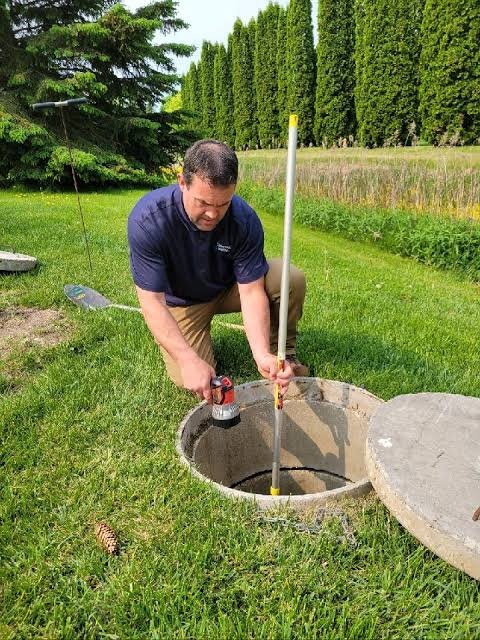
For homeowners who depend on a private well, the water system is one of the most important parts of the property. A private well provides a household with its own water source, but it also requires regular attention and maintenance. Unlike many components inside a home, a well is partially underground and can be difficult for homeowners to evaluate without professional equipment and experience.
A water well inspection can help property owners understand the visible condition and operation of the well system, identify potential maintenance concerns, and make more informed decisions when buying or selling a property.
In 2026, preventive home maintenance is becoming increasingly important. With homeowners looking for ways to protect property value and reduce unexpected expenses, evaluating a private well should be an important part of responsible property ownership.
Why Private Wells Need Regular Attention
A private well is more than a hole in the ground. It is a system that can include the well casing, cap, pump, pressure tank, electrical components, piping, treatment equipment, and other components.
Problems with any part of the system can affect water delivery or indicate that additional evaluation is necessary.
Potential concerns can include:
- Damaged well components
- Problems with the well cap
- Pump issues
- Pressure problems
- Electrical concerns
- Leaking pipes
- Poor drainage around the well
- Aging equipment
- Inadequate maintenance
- Water-quality concerns
Because many components are hidden, homeowners may not recognize a problem until the system begins operating differently.
What Does a Water Well Inspection Include?
The exact scope of an inspection can vary depending on the property and inspection provider. A professional evaluation may include a visual examination of accessible components and an assessment of the system's apparent condition.
An inspector may review:
- Wellhead and cap
- Visible casing
- Pump equipment
- Pressure tank
- Plumbing connections
- Electrical components
- Water treatment equipment
- Drainage around the well
- Accessible components of the well system
The inspection can also identify conditions that may justify additional testing or evaluation by a qualified well professional.
A water well inspection is not necessarily the same as laboratory water-quality testing. If homeowners need to determine whether water is suitable for a particular use, appropriate laboratory testing may also be necessary.
Why Well Water Testing Is Different
One of the most important things private-well owners should understand is the difference between inspecting the physical well system and testing the water itself.
A well inspection focuses on the physical components and apparent operation of the system.
Water testing examines the quality of the water sample for selected contaminants or characteristics.
Both can provide useful information, particularly during a real estate transaction.
For example, a buyer may want to know whether the well equipment appears to be functioning properly while also obtaining laboratory results regarding water quality.
Warning Signs of a Well Problem
Homeowners should pay attention to changes in how their well system operates.
Potential warning signs include:
- Sudden loss of water pressure
- Unusual pump cycling
- Cloudy or discolored water
- Unusual odors
- Sediment in fixtures
- Unexpected noises
- Water pooling around the well
- Frequent pump operation
- Inconsistent water delivery
These symptoms can have different causes, so professional evaluation may be appropriate rather than assuming the source of the problem.
Why Homebuyers Should Inspect a Private Well
Buying a home with a private well requires additional due diligence. A beautiful house can still have aging or poorly maintained well equipment.
Before purchasing, buyers should consider learning:
- The approximate age of the well
- The age of the pump
- Whether maintenance records are available
- Whether previous repairs have been performed
- Whether water testing has been completed
- Whether treatment equipment is installed
- Whether the property has a septic system
- Whether the well has experienced previous problems
A professional inspection can give buyers valuable information before they commit to a major purchase.
If concerns are discovered, buyers can investigate them further and discuss appropriate options with the seller, depending on the terms of the transaction.
Sellers Can Benefit From Early Evaluation
Well inspections can also be useful before selling a property.
A seller who understands the condition of the well system has an opportunity to address known maintenance issues before listing. This can reduce the likelihood of unexpected discoveries during the buyer's due diligence.
Keeping documentation of well maintenance, repairs, and water testing can also help establish a clearer history of the property's water system.
Protecting the Area Around the Well
Maintaining the area around the well is an important part of responsible ownership.
Homeowners should pay attention to:
- Drainage
- Standing water
- Landscaping
- Chemical storage
- Septic system conditions
- Wellhead accessibility
- The condition of the well cap
Potential contaminants should be handled and stored carefully around private wells. The well area should also be kept accessible for maintenance and future inspections.
Well and Septic Systems Often Work Together
Many properties with private wells also use septic systems. These systems serve different purposes but are both important parts of the property's infrastructure.
A well provides water, while a septic system handles wastewater.
Because both systems can be located on the same property, homeowners should understand their locations and maintain appropriate separation and protection between them.
A problem with drainage or wastewater management can create concerns that deserve professional attention.
Preventive Maintenance Can Reduce Unexpected Costs
Like any mechanical system, well equipment can deteriorate over time.
Preventive maintenance may help homeowners identify developing concerns before a complete system failure occurs.
Good maintenance practices include:
- Keeping the wellhead accessible
- Monitoring water pressure
- Watching for leaks
- Maintaining treatment equipment
- Keeping records of repairs
- Scheduling professional evaluations when concerns arise
- Testing water when appropriate
The objective is not simply to respond when something breaks. It is to understand the system well enough to plan maintenance and replacements.
The Value of Professional Documentation in 2026
Digital inspection reports have made it easier for homeowners to maintain records of property systems. Photographs, written observations, and other documentation can provide useful information when comparing conditions over time.
For buyers and sellers, organized documentation can also make real estate discussions more transparent.
Maintaining a file containing well inspections, water-testing results, repairs, and equipment information can be valuable for future property owners as well.
What Happens If a Problem Is Found?
An inspection finding does not automatically mean the entire well system needs to be replaced.
The appropriate next step depends on the nature and severity of the concern.
Some issues may require:
- Routine maintenance
- Equipment repair
- Pump evaluation
- Electrical assessment
- Plumbing repair
- Water-quality testing
- Further evaluation by a licensed or qualified well professional
The inspection provides information that can help homeowners determine what deserves further attention.
Protecting Your Property Investment
A private well is an important piece of property infrastructure. Understanding its condition can help homeowners budget for maintenance and avoid unexpected surprises.
For buyers, a professional evaluation provides additional information before purchasing. For sellers, it can help identify concerns before listing. For existing homeowners, it can support long-term maintenance planning.
In 2026, proactive homeowners are increasingly looking beyond visible features and paying attention to the systems that operate behind the scenes.
Conclusion
A private well provides an essential service, but it should never be treated as a maintenance-free component of a property. Aging equipment, drainage problems, pump issues, and other concerns can develop gradually and may not be immediately obvious.
A professional water well inspection can help homeowners understand the apparent condition of accessible well components and identify issues that may require additional evaluation. When combined with appropriate water-quality testing and regular maintenance, it can provide a more complete picture of a property's private water system.
Whether you're buying, selling, or maintaining a home in 2026, taking a proactive approach to your private well can help protect your investment, improve maintenance planning, and provide greater confidence in one of your property's most important systems.

About Premium Author
This post has been authored and published by one of our premium contributors, who are experts in their fields. They bring high-quality, well-researched content that adds significant value to our platform.

Popular Categories
Stay Connected
Recent Posts