High Efficiency Air Filters | Cleaner Indoor Air & HVAC Care in 2026
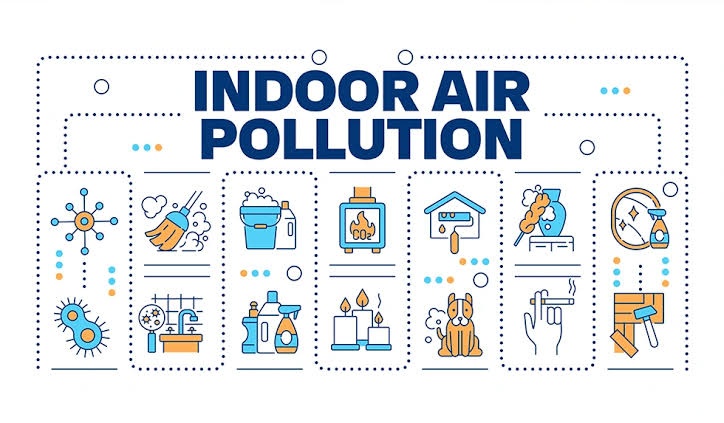
Indoor air quality has become an increasingly important part of creating a comfortable and energy-conscious home. While homeowners often focus on their air conditioner, furnace, or thermostat, one simple component can have a major impact on the air moving through an HVAC system: the air filter.
Dust, pollen, pet dander, and other airborne particles can circulate through a home when filtration is inadequate or maintenance is overlooked. High Efficiency Air Filters can help capture a greater amount of airborne particulate matter while supporting cleaner indoor air and protecting HVAC components from excessive dust buildup.
As homeowners become more interested in indoor air quality and smarter HVAC solutions in 2026, choosing the right filter has become an important part of an effective home comfort strategy.
Why HVAC Air Filters Matter
An HVAC filter has two important jobs. First, it helps remove airborne particles from the air circulating through the system. Second, it helps prevent dust and debris from accumulating on internal HVAC components.
When a filter becomes excessively dirty, however, it can restrict airflow. This may cause the HVAC system to work harder to maintain the desired temperature.
A properly selected and maintained filter can help support:
- Cleaner circulating air
- Better HVAC airflow
- Protection for system components
- Improved indoor comfort
- More consistent system performance
The key is choosing filtration that matches the HVAC system rather than simply selecting the most restrictive filter available.
What Are High Efficiency Air Filters?
High-efficiency filters are designed to capture airborne particles more effectively than basic filters. Their construction and performance can vary considerably, so homeowners should pay attention to the filter's specifications and the requirements of their HVAC equipment.
A filter that provides excellent particle capture but is too restrictive for a particular HVAC system may negatively affect airflow.
This is why professional guidance can be valuable when upgrading filtration.
Benefits of Better Air Filtration
Improving HVAC filtration can provide several advantages when the filter is appropriately matched to the equipment.
Reduced Airborne Particles
A quality filter can capture particles such as dust, pollen, and other airborne debris before they continue circulating throughout the home.
HVAC Component Protection
Filtration helps prevent particles from accumulating on components such as coils and blower assemblies.
Cleaner Indoor Environment
Effective filtration can contribute to a cleaner-feeling indoor environment, particularly in homes with pets, frequent dust accumulation, or other sources of airborne particles.
Support for HVAC Efficiency
A clean, properly sized filter allows air to move through the system more effectively than a severely clogged filter.
Choosing the Right Filter for Your HVAC System
Not every home needs the same type of filtration. Several factors should be considered before making a change.
These include:
- HVAC equipment specifications
- Filter size
- Airflow requirements
- Household occupancy
- Pets
- Outdoor air quality
- Existing indoor air concerns
- Filter replacement frequency
Homeowners should always verify the recommended filter specifications for their particular HVAC equipment.
Using a filter that is too restrictive can create airflow problems, potentially causing the system to operate inefficiently.
MERV Ratings and Filter Performance
MERV, or Minimum Efficiency Reporting Values, is one commonly used method for comparing the particle-capturing ability of HVAC filters.
Generally, a higher MERV rating indicates greater filtration capability for certain particle sizes. However, higher filtration is not automatically better for every HVAC system.
Before upgrading to a significantly higher-rated filter, homeowners should confirm that their HVAC equipment can maintain adequate airflow with the selected filter.
A professional HVAC technician can help determine an appropriate filtration level based on the system's design.
Filter Maintenance Is Just as Important
Even the best High Efficiency Air Filters cannot perform properly when they are neglected. As particles accumulate, airflow through the filter can gradually become restricted.
The appropriate replacement schedule depends on the filter type, HVAC system, home conditions, and manufacturer recommendations.
Homes with pets, construction activity, or high occupancy may require more frequent filter changes.
Warning signs of a filter that may need attention include:
- Reduced airflow
- Increased dust
- Higher energy consumption
- Longer HVAC cycles
- Visible dirt covering the filter
Checking the filter regularly is a simple maintenance task that can help protect both indoor comfort and HVAC performance.
Indoor Air Quality Trends in 2026
Homeowners are increasingly looking beyond basic temperature control and considering the entire indoor environment. This trend has encouraged greater interest in advanced filtration, air purification, humidity management, and smart monitoring.
Modern HVAC systems may combine filtration with other technologies such as:
- Smart thermostats
- Whole-home air purification
- UV-based air treatment
- Humidity control
- Ventilation systems
- Indoor air quality sensors
These technologies can work together to create a more comprehensive indoor air management strategy.
However, filtration should remain appropriately matched to the HVAC system and household needs.
High-Efficiency Filtration and Energy Efficiency
A common misconception is that a more restrictive filter will automatically make an HVAC system more efficient. In reality, airflow is an important part of HVAC performance.
A filter that becomes excessively clogged can make it harder for the system to move air. This may increase operating time and place additional strain on components.
The goal is to find the right balance between particle filtration and airflow.
Professional HVAC guidance can help homeowners select High Efficiency Air Filters that provide effective filtration without unnecessarily restricting the system.
When Should You Consider Upgrading Your Filter?
A filter upgrade may be worth considering if your current system uses basic filtration and your household has specific indoor air quality priorities.
You may want to discuss filtration options with an HVAC professional if:
- Your home accumulates significant dust
- You have pets
- You are renovating your property
- Indoor odors are a concern
- You want improved particle filtration
- Your existing filter frequently becomes dirty
- You are upgrading your HVAC system
An assessment can help determine whether improved filtration is appropriate and which option best fits your equipment.
Professional HVAC Maintenance Completes the Picture
Air filters are only one part of a healthy HVAC system. Regular maintenance is also important for keeping coils, blowers, drains, electrical components, and other parts operating properly.
A professional HVAC inspection can identify airflow restrictions, dirty components, filter problems, and other conditions that may affect system performance.
Combining appropriate filtration with routine maintenance provides a more effective approach to protecting HVAC equipment and maintaining indoor comfort.
Conclusion
Air filtration is a relatively simple aspect of HVAC maintenance, but it can have a meaningful impact on indoor air and system performance. Choosing an appropriate filter, replacing it regularly, and maintaining the HVAC system can help homeowners create a cleaner and more comfortable environment.

About Premium Author
This post has been authored and published by one of our premium contributors, who are experts in their fields. They bring high-quality, well-researched content that adds significant value to our platform.


Popular Categories
Stay Connected
Recent Posts