What Does Hold Mean on Honeywell Thermostat? 2026 HVAC Guide
Smart thermostats have become an important part of modern home comfort, giving homeowners greater control over temperature, schedules, energy consumption, and HVAC operation. In 2026, thermostat technology is moving beyond basic programmable controls toward intelligent systems that use connectivity, sensors, automation, and adaptive algorithms.
Despite these advances, many homeowners still encounter simple thermostat functions that can be confusing. One example is the Hold feature. Understanding what it does can help homeowners manage their heating and cooling schedules without accidentally creating inefficient temperature settings.
Understanding the Hold Function
The question what does hold mean on honeywell thermostat is usually related to the difference between a programmed schedule and a temporary temperature adjustment.
A programmable thermostat normally follows a schedule with different temperature settings throughout the day. For example, it might lower the temperature while occupants are sleeping, raise it in the morning, and change it again when everyone leaves the house.
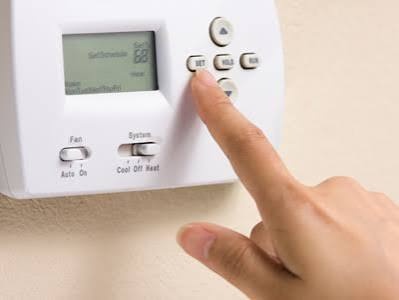
When Hold is activated, the thermostat can maintain a selected temperature rather than immediately returning to the programmed schedule. The exact behavior and available Hold options depend on the specific Honeywell Home thermostat model.
Some models provide a temporary hold that remains active until the next scheduled period, while others offer a permanent hold until the homeowner manually cancels it.
Temporary Hold Versus Permanent Hold
Understanding the difference between temporary and permanent holds is important.
A temporary hold is useful when a homeowner wants a short-term temperature adjustment. For example, someone working from home may want the house warmer during a normally unoccupied period.
The thermostat can maintain the selected temperature temporarily and then resume the regular schedule.
A permanent hold is different. It can keep the thermostat at the selected temperature until the homeowner manually cancels the hold or returns the device to its normal schedule.
Because thermostat interfaces vary, homeowners should consult the instructions for their specific model when determining exactly how the Hold function operates.
Why Homeowners Use Hold
The Hold feature can be useful when daily circumstances do not match a programmed schedule.
Consider a homeowner whose thermostat normally reduces heating during working hours. If they stay home unexpectedly, the programmed schedule may create an uncomfortable temperature. Activating Hold can maintain the preferred temperature without requiring the entire schedule to be rewritten.
Similarly, homeowners hosting guests, working unusual hours, or taking a short break from their normal routine may find temporary temperature adjustments convenient.
The important consideration is duration. Leaving a high heating or low cooling setting active for an extended period can increase energy consumption.
Smart Thermostats Are Making Scheduling More Intelligent
Traditional programmable thermostats depend heavily on schedules created by the homeowner. Modern smart thermostats can incorporate additional information, including occupancy, weather conditions, geofencing, and historical usage.
Artificial intelligence and machine learning are also becoming increasingly important in residential HVAC controls.
Instead of relying entirely on fixed temperature periods, intelligent thermostats can analyze household patterns and make adjustments based on expected occupancy.
This can reduce the need for frequent manual changes and potentially improve energy efficiency.
Hold Settings and Energy Efficiency
Using Hold does not automatically make an HVAC system inefficient. The effect depends primarily on the temperature selected and how long the setting remains active.
For example, maintaining a moderate indoor temperature for a few additional hours may have a relatively small effect compared with maintaining an extreme setting continuously.
Homeowners should consider comfort, outdoor weather, insulation, occupancy, and equipment efficiency when choosing temperature settings.
Smart thermostats can also provide energy reports that help homeowners understand how changes in temperature settings affect HVAC runtime and energy consumption.
Smart Home Integration Adds Convenience
Modern thermostats can connect with smartphones, voice assistants, occupancy sensors, and other smart-home devices.
This connectivity allows homeowners to change temperature settings remotely, modify schedules, and monitor their HVAC systems from virtually anywhere with an internet connection.
Some systems can also automatically adjust temperature settings when the homeowner leaves or approaches the property.
These capabilities are gradually reducing the need for manual thermostat management while providing greater control over energy use.
When a Hold Setting May Cause Confusion
A common source of confusion occurs when a homeowner changes the temperature but later notices that the thermostat does not return to the expected programmed setting.
This can happen when a Hold setting remains active.
The solution depends on the thermostat model, but many Honeywell Home thermostats provide an option such as Cancel Hold, Run Schedule, or a similar control that returns the device to its programmed operation.
If the thermostat continues ignoring the programmed schedule after the Hold function has been cancelled, the issue may involve programming, configuration, connectivity, or another technical problem.
Thermostat Problems Are Not Always HVAC Problems
It is important to distinguish thermostat settings from HVAC equipment problems.
If a thermostat displays the expected temperature but the heating or cooling equipment does not respond correctly, the underlying problem may involve the furnace, air conditioner, heat pump, electrical system, airflow, or another HVAC component.
Similarly, a thermostat that repeatedly loses power or displays unusual errors may require professional evaluation.
Understanding the thermostat's controls can help homeowners identify whether they are dealing with a simple programming issue or a more significant HVAC problem.
Professional Maintenance Still Matters
Smart controls can improve HVAC management, but they cannot replace professional maintenance. Heating and cooling equipment should be inspected and serviced according to manufacturer recommendations.
Regular maintenance can help identify airflow restrictions, electrical problems, worn components, dirty coils, and other conditions that can reduce efficiency.
A properly maintained HVAC system paired with correctly configured smart controls provides a stronger foundation for reliable comfort.
The Future of Thermostat Technology
Thermostats are becoming increasingly intelligent as artificial intelligence, occupancy sensors, remote monitoring, and smart-home integration continue developing.
In 2026, homeowners have more tools than ever for controlling indoor temperatures and understanding energy consumption. Simple features such as Hold remain useful because they provide direct control when daily routines change.
Understanding what does hold mean on honeywell thermostat can therefore help homeowners use their thermostat more effectively without unintentionally overriding their regular schedule.
The best approach is to use temporary adjustments when appropriate, cancel unnecessary holds, maintain sensible temperature settings, and keep HVAC equipment professionally maintained. Combined with modern smart technology, these practices can support comfortable, efficient, and reliable home climate management.

About Premium Author
This post has been authored and published by one of our premium contributors, who are experts in their fields. They bring high-quality, well-researched content that adds significant value to our platform.


Popular Categories
Stay Connected
Recent Posts