Wood Destroying Organism Inspection: A Guide for Homeowners in 2026
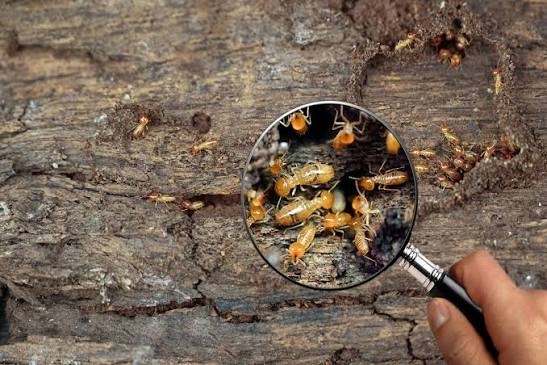
A home can look beautiful on the surface while hidden wood-damaging activity develops in areas that are difficult to notice during a routine walkthrough. Termites, carpenter ants, wood-boring beetles, and other organisms can affect structural and wooden components over time. Because some damage develops gradually, early detection can be valuable for homeowners, buyers, and sellers.
A professional wood destroying organism inspection focuses on identifying evidence of organisms that can damage wood or conditions that may contribute to their activity. For properties in warm and humid regions, this type of evaluation can be an important part of understanding a home's condition.
What Are Wood Destroying Organisms?
Wood destroying organisms, often referred to as WDOs, include insects and other organisms capable of damaging wood materials. Termites are among the best-known examples, but they are not the only concern.
Potential organisms include:
- Subterranean termites
- Drywood termites
- Carpenter ants
- Wood-boring beetles
- Certain wood-destroying fungi
Different organisms can leave different signs, and identifying the cause of damage may require professional knowledge.
Why WDO Inspections Matter
Wood damage can sometimes remain hidden behind finishes, inside wall cavities, beneath flooring, or in other inaccessible areas. A homeowner may not notice a problem until visible evidence appears.
Potential warning signs include:
- Mud tubes
- Small holes in wood
- Wood debris or frass
- Hollow-sounding wood
- Damaged structural components
- Discarded insect wings
- Swarming insects
- Moisture-related deterioration
These signs do not always confirm active infestation, but they may justify additional investigation.
What Does an Inspection Look For?
The inspection scope depends on the property, accessibility, and applicable standards. A professional may examine accessible areas where evidence of wood-destroying organisms could potentially be found.
Areas of interest can include:
Exterior Wood Components
Inspectors may examine accessible siding, trim, decks, porches, window frames, doors, and other exterior wood components.
Moisture exposure can increase the risk of deterioration, making exterior maintenance particularly important.
Foundation and Crawl Spaces
Accessible foundation areas, crawl spaces, and other lower-level locations may contain evidence of termite activity or moisture-related wood deterioration.
These areas can be especially important because they may remain unnoticed during normal household activities.
Attic Areas
Attics may contain structural wood members that can be affected by insects or moisture. Where accessible and within the inspection scope, these areas may be evaluated for observable evidence.
Interior Areas
Inspectors may look at accessible interior areas for signs such as damaged wood, holes, staining, or evidence that may indicate wood-destroying activity.
An inspection is primarily visual and cannot guarantee that every hidden condition will be discovered.
Termites and Their Potential Impact
Termites are among the most significant wood-damaging insects affecting residential properties. Depending on the species, termites may live in soil, wood, or other environments and can gradually damage wooden materials.
Subterranean termites, for example, can enter structures through concealed pathways. Drywood termites can establish colonies within wooden components.
Because activity can occur in concealed areas, professional evaluation can be valuable when warning signs are present.
Moisture and WDO Concerns
Moisture is an important factor in many wood-related problems. Leaking pipes, roof damage, poor drainage, condensation, and inadequate ventilation can create conditions that contribute to wood deterioration and fungal growth.
Homeowners should pay attention to:
- Plumbing leaks
- Roof leaks
- Standing water
- Poor grading
- Blocked gutters
- Excessive indoor humidity
- Inadequate ventilation
Correcting moisture problems can be an important part of protecting wood components.
Why Buyers Should Consider a WDO Inspection
Homebuyers are making a substantial financial commitment when purchasing a property. Discovering wood-destroying organism activity after closing can create unexpected repair expenses.
A wood destroying organism inspection can provide useful information about observable evidence before a purchase is completed.
This information can help buyers:
- Understand potential risks
- Request additional evaluations
- Obtain repair estimates
- Plan future maintenance
- Make more informed purchasing decisions
A WDO inspection is different from a general home inspection, so buyers should understand the scope of each service.
Sellers Can Benefit Too
WDO evaluations can also be useful for homeowners preparing to sell. Identifying potential concerns before listing gives sellers time to investigate and address appropriate issues.
A seller may choose to:
- Obtain treatment estimates
- Repair damaged wood
- Correct moisture sources
- Organize pest-control records
- Prepare relevant documentation
Taking a proactive approach can help reduce surprises during the transaction.
What Happens If Evidence Is Found?
Finding evidence of a wood-destroying organism does not necessarily mean that a home requires extensive structural repairs. The significance of a finding depends on the organism, extent of activity, location, moisture conditions, and amount of damage.
Depending on the findings, additional services may include:
- Pest-control evaluation
- Treatment
- Structural assessment
- Moisture investigation
- Carpenter or contractor repairs
Qualified specialists should determine appropriate treatment and repair strategies.
Preventive Maintenance Matters
Homeowners can reduce potential risks by maintaining the property throughout the year.
Helpful measures include:
- Repairing plumbing leaks
- Maintaining gutters
- Improving drainage
- Keeping wood away from excessive soil contact
- Repairing damaged exterior wood
- Maintaining roof coverings
- Controlling moisture
- Ensuring adequate ventilation
Routine maintenance can help prevent small conditions from becoming larger problems.
Why WDO Awareness Matters in 2026
As homeowners focus more on preventive maintenance and long-term property protection, identifying wood-related concerns early can be valuable. Modern inspection reporting also makes it easier to document observations through photographs and organized reports.
A professional wood destroying organism inspection can help buyers, sellers, and homeowners understand observable evidence of organisms that may damage wood.
However, inspections have limitations. Hidden areas may not be accessible, and an inspection cannot guarantee that no organisms are present. When evidence is identified, appropriate pest-control or structural professionals may be needed for further evaluation.
Conclusion
Wood-destroying organisms can create significant problems when activity goes unnoticed. Regular property maintenance, moisture control, and professional inspections can help homeowners take a proactive approach to protecting wooden components.
A wood destroying organism inspection provides valuable information about observable evidence of potentially damaging organisms and conditions. Whether purchasing a home, preparing to sell, or maintaining an existing property, understanding the condition of accessible wood components can support better decisions.
In 2026, combining professional inspections with preventive maintenance and timely specialist evaluations can help homeowners protect their property and avoid unnecessary surprises.

About Premium Author
This post has been authored and published by one of our premium contributors, who are experts in their fields. They bring high-quality, well-researched content that adds significant value to our platform.
Popular Categories
Stay Connected
Recent Posts