Artificial Intelligence and Global Market Trends Guide

Artificial intelligence has become one of the most influential technologies shaping the global economy. Businesses across industries are using intelligent systems to improve operations, enhance customer experiences, and gain competitive advantages.
As AI technologies continue to evolve, they are transforming how organizations make decisions, manage resources, and respond to changing consumer demands. This technological shift is redefining market trends around the world.
Companies of all sizes are investing in artificial intelligence to improve productivity and encourage innovation. Understanding AI's impact helps businesses prepare for future opportunities while adapting to rapidly changing market conditions.
The Growing Role of Artificial Intelligence in Business
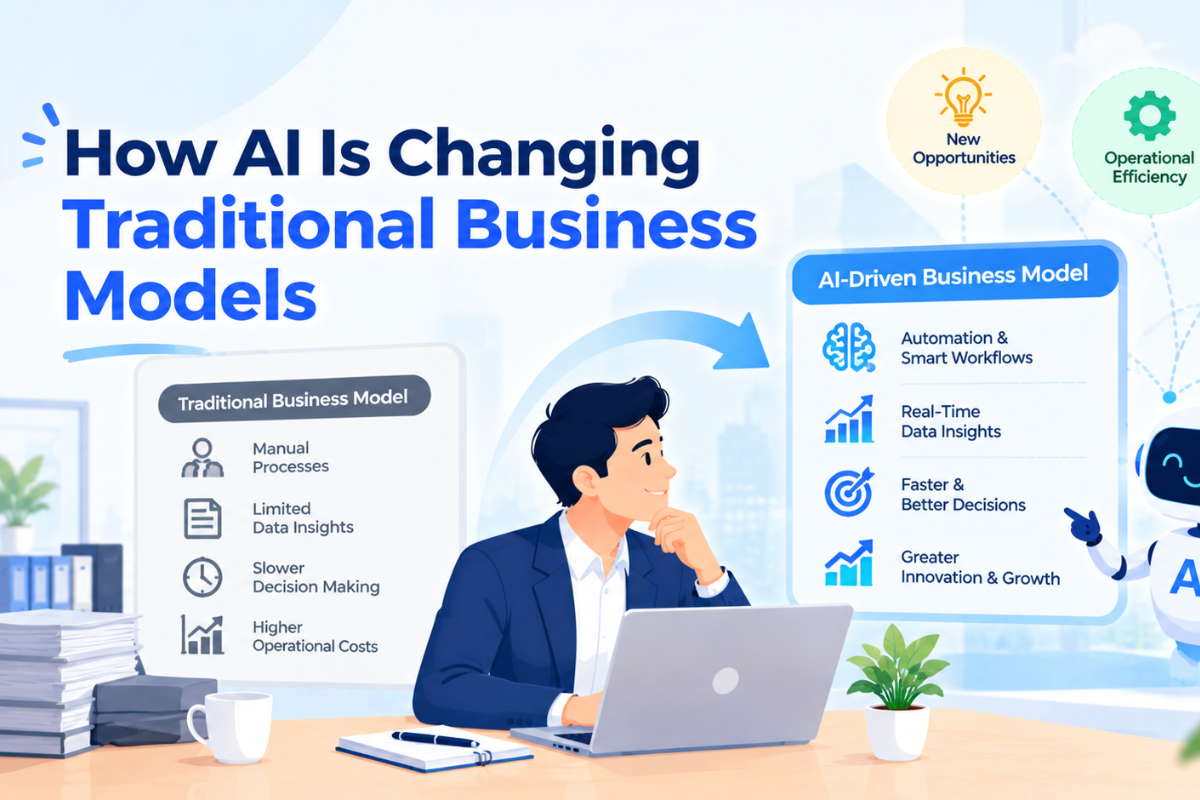
Artificial intelligence enables businesses to automate repetitive tasks while improving operational accuracy. Automated systems reduce manual effort, allowing employees to focus on strategic activities that create greater business value.
Organizations use AI to analyze large amounts of data within seconds. These insights support faster decision making and help companies identify profitable market opportunities more efficiently.
Businesses also rely on AI to improve customer service through virtual assistants and intelligent chat systems. Faster responses increase customer satisfaction while reducing operational costs and improving service quality.
As AI adoption grows, businesses become more agile and competitive. Companies that embrace innovation often adapt more quickly to changing consumer expectations and industry developments.
AI Is Transforming Customer Experience
Modern consumers expect personalized experiences when interacting with businesses. Artificial intelligence helps organizations understand customer preferences by analyzing purchasing behavior and engagement patterns.
Recommendation systems suggest products and services based on customer interests. Personalized experiences improve satisfaction while encouraging repeat purchases and stronger brand loyalty.
AI-powered chatbots provide immediate assistance throughout the day. Customers receive quick answers without waiting for human representatives, improving convenience and overall service quality.
Predictive analytics also helps businesses anticipate customer needs before they arise. Proactive support strengthens relationships while increasing customer retention and long-term business growth.
Artificial Intelligence Improves Business Efficiency
Business efficiency improves significantly through AI-driven automation and process optimization. Routine administrative tasks can be completed quickly with minimal human intervention and fewer operational errors.
Artificial intelligence supports inventory management by forecasting product demand accurately. Better planning reduces waste while ensuring customers receive products when they need them.
Manufacturing companies use AI to monitor equipment performance and predict maintenance requirements. Preventive maintenance minimizes downtime while reducing repair costs and improving productivity.
Financial management also benefits from AI technologies. Automated reporting and expense analysis improve budgeting accuracy while supporting informed business decisions and stronger financial control.
AI Is Reshaping Global Employment
Artificial intelligence is changing workforce requirements across multiple industries. While some repetitive jobs become automated, new career opportunities emerge in technology, analytics, and AI system management.
Businesses increasingly seek employees with digital skills and analytical thinking. Continuous learning has become essential for professionals adapting to evolving workplace demands.
AI also supports employees by simplifying repetitive work rather than replacing every role. Human creativity, communication, and leadership remain valuable qualities that technology cannot fully replicate.
Organizations investing in employee training create stronger teams prepared for technological change. Workforce development ensures businesses remain competitive within rapidly evolving global markets.
Artificial Intelligence Supports Better Decision Making
Business decisions become more accurate when supported by reliable data analysis. Artificial intelligence processes complex information quickly, identifying patterns that may remain unnoticed through traditional methods.
Predictive analytics helps organizations forecast future market trends and customer behavior. Better predictions reduce uncertainty while improving long-term planning and investment strategies.
Executives use AI-powered dashboards to monitor performance indicators in real time. Instant access to business data supports faster responses to changing market conditions.
Data-driven decision making improves resource allocation and operational efficiency. Businesses can confidently invest in strategies supported by measurable evidence rather than assumptions.
AI Is Driving Innovation Across Industries
Artificial intelligence encourages innovation by helping organizations develop smarter products and services. Companies continuously explore new solutions that improve customer experiences and market competitiveness.
Healthcare organizations use AI to support medical research, diagnosis, and patient care. Faster analysis contributes to improved treatment planning and better healthcare outcomes.
Retail businesses implement AI for personalized shopping experiences and inventory optimization. Intelligent systems increase operational efficiency while improving customer satisfaction and sales performance.
Financial institutions apply AI to detect fraud, evaluate risks, and automate customer services. Advanced technologies improve security while supporting faster and more reliable financial operations.
Challenges of Artificial Intelligence Adoption
Although AI offers significant advantages, businesses also face implementation challenges. High investment costs and technical complexity may limit adoption, particularly for smaller organizations with limited resources.
Data privacy remains a major concern for businesses and consumers. Organizations must protect sensitive information while complying with legal and ethical requirements.
Successful AI implementation requires skilled professionals who understand both technology and business operations. Investing in employee training improves adoption while maximizing long-term benefits.
Businesses should also monitor AI systems regularly to ensure accuracy and fairness. Responsible technology management strengthens customer trust and supports sustainable innovation.
Future Global Market Trends Driven by AI
Artificial intelligence will continue shaping global markets as technologies become more advanced. Businesses adopting AI early are likely to gain stronger competitive positions within their industries.
Cross-industry collaboration will encourage faster innovation and broader AI adoption. Organizations will increasingly integrate intelligent systems into daily operations and strategic planning.
Emerging technologies such as machine learning, robotics, and predictive analytics will create new business opportunities. Companies prepared for digital transformation can respond effectively to future market demands.
Governments, educational institutions, and businesses will continue investing in AI development. These efforts will strengthen economic growth while creating innovative solutions for global challenges.
Preparing Businesses for an AI Driven Future
Business leaders should develop clear strategies for adopting artificial intelligence responsibly. Careful planning ensures technology investments align with organizational goals and customer expectations.
Encouraging innovation within the workplace helps employees embrace technological change. Continuous learning supports workforce adaptability while improving organizational resilience.
Companies should evaluate AI solutions based on practical business needs rather than trends. Strategic implementation delivers measurable improvements while minimizing unnecessary costs and operational risks.
Businesses that combine human expertise with artificial intelligence create sustainable competitive advantages. Balanced technology adoption strengthens innovation, efficiency, and long-term business success.
Conclusion
Artificial intelligence is transforming global market trends by improving efficiency, enhancing customer experiences, supporting innovation, and enabling smarter business decisions. Organizations across industries are embracing AI to remain competitive.
Although challenges such as implementation costs and data privacy exist, the long-term benefits of artificial intelligence continue to outweigh potential obstacles for forward-thinking businesses.
Successful organizations will combine advanced technology with skilled employees, ethical practices, and strategic planning. This balanced approach ensures sustainable growth while adapting to changing market conditions.
As artificial intelligence continues evolving, businesses that invest in innovation and continuous learning will be better positioned to thrive in an increasingly competitive global marketplace.

About Premium Author
This post has been authored and published by one of our premium contributors, who are experts in their fields. They bring high-quality, well-researched content that adds significant value to our platform.


Popular Categories
Stay Connected
Recent Posts